The Loyal Comptons

The following article was originally written for the English Historical Fiction Authors blog and published February 2015. If you enjoy English history and haven’t visited the blog, check out the EHFA site here. The English Civil War was a time of divided loyalties, where brother fought against brother and neighbours faced each other on a bloody field. But there was one Royalist family that was united in their staunch loyalty to the King: The Comptons. The Comptons had estates in Castle Ashby, Northamptonshire, and Compton Wynyates, in Warwickshire. Spencer Compton was the 2nd Earl of Northampton, born in 1601 and educated at Cambridge. In 1622,…

The Fifth Monarchists

Given the talk about government policies and reform that is currently gripping the U.S, I thought it timely to repost an article about England’s Parliamentary struggles following the English Civil War. The following article was originally written for the English Historical Fiction Authors blog and published January 2015. If you enjoy English history and haven’t visited the blog, check out the EHFA site here. It was not all daffodils and roses for the new Commonwealth following the English Civil War. The tide that had carried Parliament to victory, surging them forward with the promise of a new society, became stagnant. Though…

In honour of the Bard

Wilt thou be gone? It is not yet near day. It was the nightingale, and not the lark, That pierced the fearful hollow of thine ear; Nightly she sings on bond pomegranate tree, Believe me, love, it was the nightingale.  I love these words from Romeo and Juliet. They’re haunting in their longing–to hold onto a cherished moment for as long as possible, even if it means holding back the dawn. And they’re timeless, not just because they were penned over 400 years go, but because they tap into a primal force–to love and be loved. I’ve always been a…

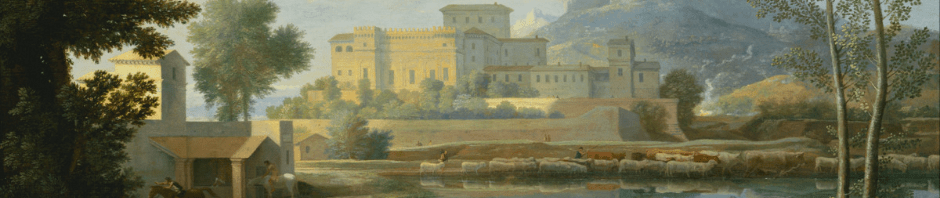
Classicism vs Naturalism: French and Dutch art in the 17th century

As a special treat, I turn my blog over to Annie Whitehead, indieBRAG honouree and author of Alvar the Kingmaker and To Be A Queen. Annie’s novels are set during the Early Medieval period, but her knowledge of history extends centuries beyond her chosen era to include the 17th century. In this article, she illuminates the differences between two opposing artistic traditions of the 17th century, Classicism and Naturalism. Enjoy!  Artistically, the period of Richelieu and Mazarin saw the rise of French Classicism. Patronage of the arts was strong; Fouquet (the Superintendent of Finances in France), in particular used his money with exceptional taste. He gathered round…

When Puritans made sex illegal

On 10 May 1651, Parliament passed “An Act for suppressing the detestable sins of Incest, Adultery and Fornication” which made such acts (forgive the pun) a felony. They made sex outside marriage illegal. “For the suppressing of the abominable and crying sins of Incest, Adultery and Fornication, wherewith this Land is much defiled, and Almighty God highly displeased” * But the government did show a little mercy. While the Act was enacted on 10 May, it was to be in effect on 20 June 1651. That was at least thoughtful of the lawmakers to give people fair warning. I can only imagine what was happening…